

Sustainability has become a defining pressure point for logistics leaders. Expectations are rising from customers, regulators, and internal stakeholders, yet the mandate remains grounded in execution. Goods still need to move efficiently, costs still need to be controlled, and performance still needs to hold.
That tension has reshaped the conversation. The question is no longer whether sustainability matters. The question is whether it can deliver measurable business value.
In this conversation, Phil Clawson, Global Head of Sustainability and VP at Pegasus Logistics Group, explains how leading organizations are moving beyond reporting and turning sustainability into a practical, results-driven strategy.
How Sustainable Logistics Drives Operational Efficiency and Cost Savings
Most sustainability efforts begin with measurement, and Phil Clawson puts it in practical terms: “If you think about sustainability strategically and work on it that way, it becomes a real driver of ROI. When you’re improving efficiency and reducing waste, those are things that save money.”
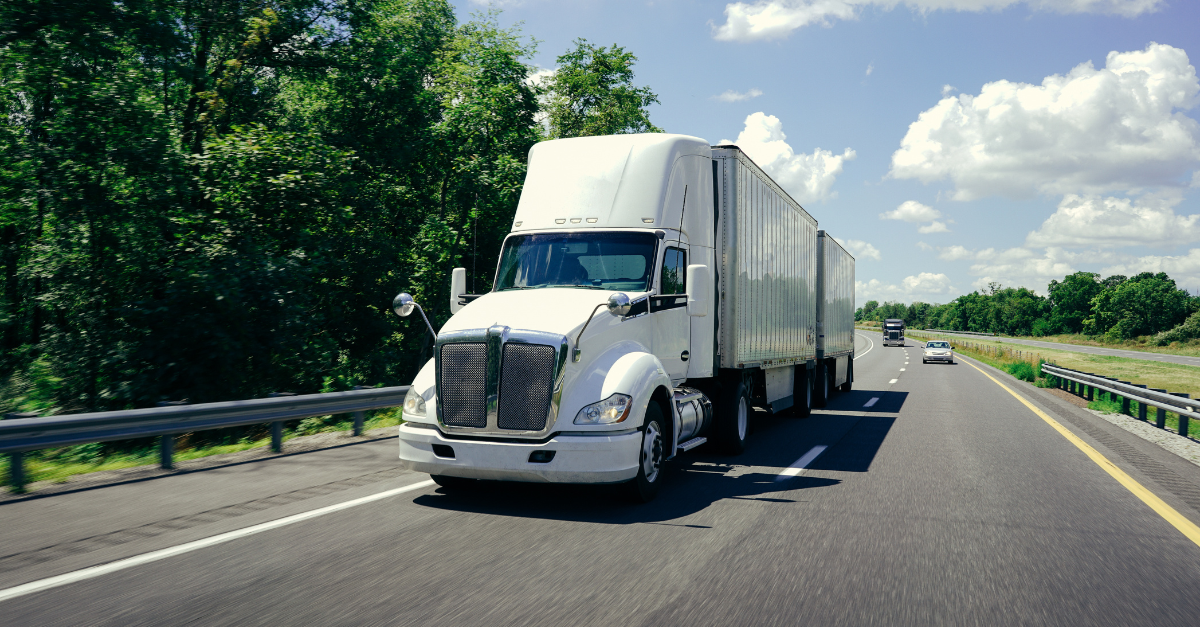
In logistics, inefficiency shows up in empty miles, partially filled trucks, and fragmented shipments. Each of those issues increases cost while also increasing emissions.
For many shippers, transportation is not the largest source of emissions, but it is one of the most controllable. With the right level of visibility, companies can identify where waste exists in their networks and act on it to improve both performance and environmental impact.
Key Metrics to Measure the ROI of Sustainable Logistics
To justify investment, sustainability needs to be measured in terms that the business already understands. The most effective organizations focus on metrics that reflect how freight actually moves and how decisions affect cost.
Key indicators often include:
- Empty mile reduction
Identifying and eliminating wasted capacity across lanes. - Load utilization improvements
Increasing the amount of product moved per shipment to reduce frequency and cost. - Carbon intensity by lane
Measuring emissions at a detailed level to connect operational changes to environmental outcomes. - Packaging and material usage
Monitoring how design decisions reduce waste and lower disposal or procurement costs.
These metrics are only as strong as the data behind them. And as Phil Clawson says, “If you’re not measuring it, you can’t manage it. And if you’re relying on averages or assumptions, it becomes really difficult to find opportunities to improve.”
Balancing Cost, Service, and Sustainability in Logistics Decisions
Every logistics decision requires alignment. Speed, visibility, service reliability, and operational agility all shape the outcome. As supply chains become more complex, organizations need the ability to make informed decisions quickly, adapt in real time, and keep operations moving with confidence.
“You can’t just be driven by what’s going to lower carbon the most. You have to be driven by the whole picture.” – Phil Clawson, Global Head of Sustainability and VP at Pegasus Logistics Group
That “whole picture” changes depending on the shipment. A shift from air to ocean transport may significantly reduce emissions, but it extends delivery timelines. Moving freight by rail can improve carbon performance but also introduce new risks depending on the product.
Where Sustainable Logistics Delivers Fast ROI and Quick Wins
Not every sustainability initiative requires a long timeline or significant capital. Many of the most effective changes are operational and can be implemented quickly when the right data is available.
There is a reason companies continue to invest. A recent MIT report found that 85% of organizations are maintaining or increasing their focus on supply chain sustainability, even in uncertain conditions.
Common areas where ROI shows up early include:
- Shipment consolidation
Combining partial loads into fewer shipments reduces both transportation cost and emissions almost immediately. - Route and network optimization
Adjusting how freight moves through the network eliminates unnecessary distance and improves efficiency. - Packaging improvements
Designing for reuse or recyclability lowers long-term material costs and reduces waste. - Facility-level efficiency changes
Upgrades such as lighting or equipment improvements often deliver quick financial returns.
Phil highlights why these opportunities matter: “When you start by looking for efficiencies, you almost always see close to instant ROI. Things like consolidating shipments or reducing empty miles can show up on the balance sheet within a year, sometimes even faster, which makes them much easier to prioritize and scale.”
How Logistics Partnerships Turn Sustainability Data into Results
Sustainable logistics is not something companies can solve on their own. The data, decisions, and execution span multiple partners across the supply chain. And that is where collaboration becomes essential.
“It’s most powerful when we come together and look for opportunities to both lower carbon and lower cost.” – Phil Clawson says.
At Pegasus Logistics Group, that collaboration brings together operational expertise with client-specific data and business context. This approach helps uncover opportunities that are not visible from a single perspective and turn them into practical changes that deliver measurable results.
To see how this approach is shaping modern supply chains, explore our blog on How Collaborative Partnerships Are Shaping the Future of Global Logistics.
Moving from Intention to Impact
Sustainability in logistics is entering a more disciplined phase. The focus is shifting from commitments to outcomes, and from reporting to execution.
Phil captures that shift with a line that stays with you. “People think of us as tree huggers, but we’re money tree huggers.”
It reflects what the data already shows. When sustainability is approached with the right level of rigor, it strengthens performance rather than competing with it.
Pegasus Logistics Group helps organizations turn sustainability into a measurable advantage. Contact us and explore how your logistics strategy can deliver both environmental impact and real business results.